
How to Assess Franchise Readiness Before You Buy
Assess franchise readiness with clear capital, leadership and lifestyle checks before you commit to a hospitality business opportunity in Australia today.
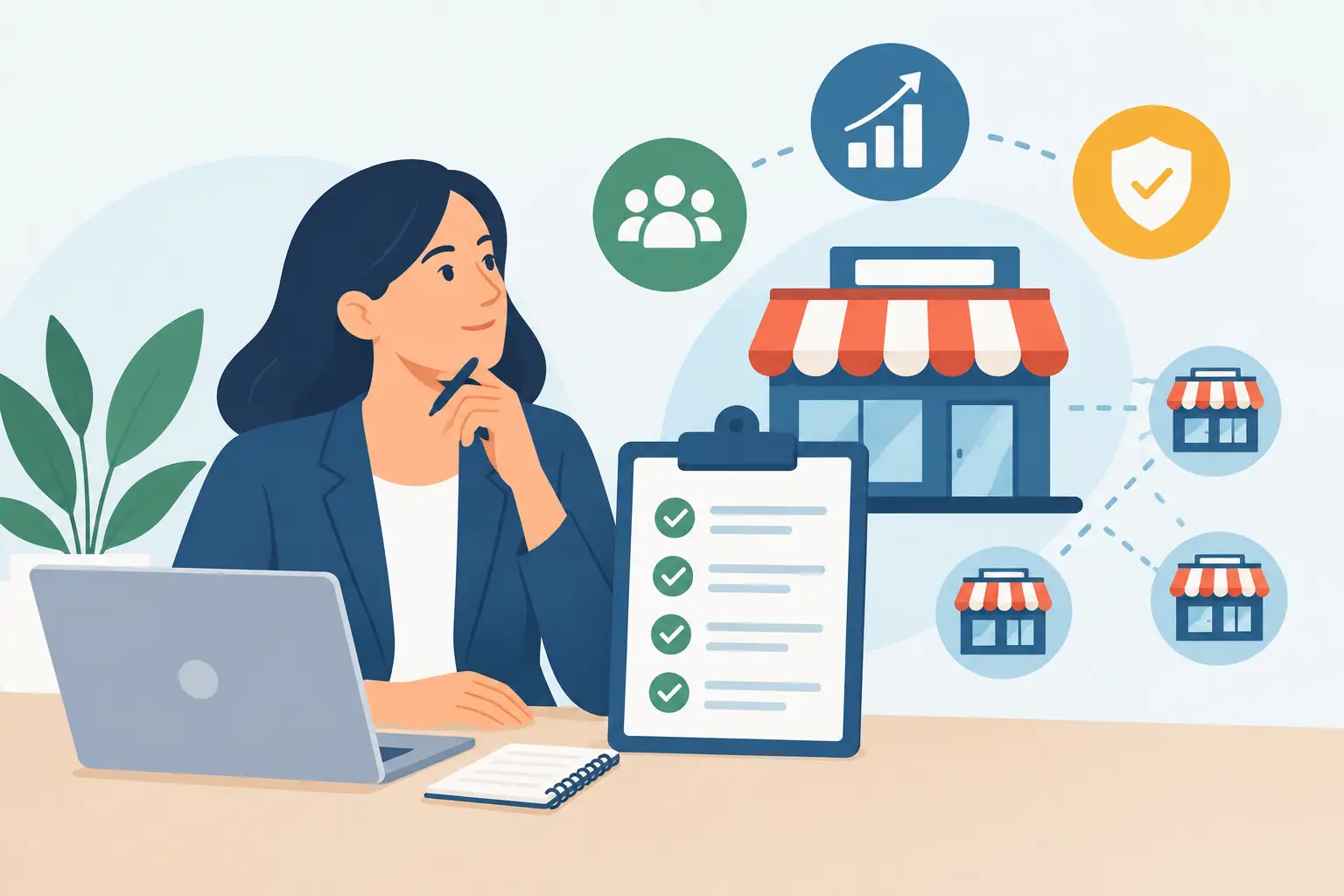
A great-looking store, a menu people crave and a busy Saturday queue can make franchise ownership feel like an obvious next move. But before you assess franchise readiness, ask a more useful question: are you ready to lead a customer-facing business when the novelty has worn off? The right franchise can remove much of the build-from-scratch complexity. It cannot replace your judgement, energy or willingness to own the result.
For ambitious Australians, a franchise can be a practical route into hospitality without having to create a brand, write every recipe, find every supplier or learn site selection through expensive trial and error. That is the appeal. The real work is deciding whether the investment, operating role and growth ambition suit your life now - not a version of your life you hope will appear after opening day.
Assess franchise readiness from the inside out
Readiness is not a personality test. You do not need prior hospitality experience to own a well-supported dessert business. You do need to be commercially switched on, comfortable around people and prepared to learn a defined operating system.
Start with your reason for buying. Some people want to leave corporate life and build a business they can see and touch every day. Others already operate businesses and want a consumer brand with multi-site potential. Some are looking for a family-operated venture with a clearer structure than an independent café.
All can be valid motivations. The issue is whether your chosen model matches them. If you want a passive investment with minimal involvement from day one, a hands-on hospitality franchise may not fit. If you want an attractive brand, a clear playbook and the chance to build a team around a repeat-purchase product, it may be a far stronger match.
Be honest about your appetite for the unglamorous parts too. Opening a store means making decisions, recruiting people, reviewing rosters, responding to a broken machine, following up suppliers and setting the standard when the store is busy. Good systems reduce friction. Strong operators still show up.
The owner role changes as the business grows
Your first store may require close attention to daily service, team habits and local marketing. As you grow, the job shifts towards leadership, reporting, coaching managers and making sharper decisions across sites. That is why a prospective multi-site owner should assess their readiness differently from someone buying a single owner-operated store.
Neither path is better. A hands-on first store can be the smartest way to learn the model before expanding. What matters is choosing a role you are genuinely prepared to perform, rather than buying into an image of ownership that does not match the operating reality.
Start with capital, not optimism
Franchise readiness begins with the numbers because pressure on cash can turn a promising opening into a stressful one. Know what you can contribute, what you can finance and what must remain available after the fit-out is complete.
For a turnkey hospitality opportunity, the headline investment is only one part of the conversation. You should understand what the initial investment covers, your likely working capital needs, lease and legal costs, insurance, opening expenses and the cash buffer needed while the business establishes itself. The straight answers matter more than the most exciting forecast.
A franchisee considering YOVIE, for example, needs at least $150,000 in liquid capital and the capacity to invest from $350,000 plus GST for a turnkey store. Qualified applicants may be able to access finance. That does not mean borrowing is automatically the right choice. It means you should model repayments, personal commitments and a conservative trading period before committing.
A practical readiness check is whether you can fund the business without putting every dollar - and every decision - under strain. You want enough room to invest in training, team quality and local momentum, rather than cutting corners before customers have had the chance to fall in love with the brand.
Test the numbers in three scenarios
Do not only look at the expected case. Consider a stronger-than-expected opening, a steady base case and a slower ramp-up. Ask how each scenario affects your wages, rent, loan repayments and personal income.
This is not pessimism. It is the discipline that lets you make a confident decision. A franchise partner should be able to explain the assumptions behind its financial information and clarify what is included in the investment. You should still obtain independent legal, financial and accounting advice before signing any agreement.
Can you lead people, not just serve customers?
Dessert and beverage businesses are built on small moments. A welcoming greeting, clean toppings, a beautifully made matcha, a fast response when a queue forms. Customers notice all of it, especially in a category designed to be shared on social media.
You do not need to have managed a restaurant to lead a franchise team well. But you do need to communicate clearly, stay composed under pressure and care about consistency. Teams take cues from the owner. If standards are vague, service becomes vague. If the owner is present, prepared and respectful, that attitude has a way of spreading.
Ask yourself whether you enjoy coaching young team members, giving direct feedback and building a workplace people want to return to. A youth-led brand needs energy, but it also needs discipline behind the counter. The best operators make both visible.
There is a trade-off here. A lower-labour operating model can reduce complexity, but no hospitality business runs itself. You will still need the right people in the right shifts, clear routines and a plan for absences, peak periods and staff turnover. If that sounds like a leadership challenge you want to take on, you are thinking like an owner.
Choose a market you can understand
A great brand needs the right local setting. Territory, foot traffic, nearby retailers, schools, offices, transport, family demographics and competing offers all shape the opportunity. Site selection support is valuable because it brings experience and a repeatable method. Your local knowledge is valuable because you understand how your city or suburb actually moves.
Consider where your prospective customers already spend time. A compact kiosk in a busy centre can suit a different customer pattern from a food-hall site, a high-street shop or a full retail store. The best format depends on the location, lease economics and how people use the precinct.
Do not confuse a busy area with the right area. Ask what creates traffic, when it arrives and whether those customers are likely to stop for frozen yoghurt, matcha or a seasonal treat. Visit at different times of day. Notice the queues, the dwell time and the brands people choose. A site can look brilliant at lunchtime and quiet when your core customer is most likely to visit.
If preferred territories or foundation-store benefits are available, assess them with the same care. Early access can be a genuine advantage, particularly for operators with a clear location strategy. It is only valuable if you have the capital and operational capacity to act on it well.
Assess franchise readiness by asking better questions
The franchisor relationship is a long-term commercial partnership, not a quick transaction. You are buying into a system, a brand promise and a set of mutual responsibilities. The more clearly each side communicates before signing, the better the working relationship is likely to be after launch.
Ask how training works before opening and what support looks like once the doors are open. Find out who helps with site evaluation, design, fit-out, supply chain, marketing, menu development and operational issues. Ask what is expected of you in return. A strong support platform should make the path clearer, not pretend there will be no work.
It is also worth asking how the brand protects consistency as it expands. Product quality, store presentation, local-area marketing and team training should not be afterthoughts. They are the daily proof of the promise customers see on the menu board and on their mobile.
Speak with existing franchisees where possible and listen for specifics. How did training prepare them? What surprised them during opening? How accessible is support when a problem needs an answer? You are looking for patterns, not perfection. Every business has busy periods and challenges. The useful signal is how those challenges are handled.
Your green light is practical, not perfect
You do not need every answer before taking the next step. You do need enough clarity to move forward with intention. The right time is usually when your capital position is sound, your household understands the commitment, you are ready to lead people and the franchise model fits your role in the business.
Confidence should come from preparation, not hype. Take the time to understand the numbers, meet the people behind the system and picture yourself running the store on an ordinary Tuesday, not only at the grand opening. If that picture still feels energising, you may be ready to build a business that gives customers a reason to come back - and gives you room to grow.