
Best Repeat Purchase Businesses for Growth
Assess the best repeat purchase businesses for Australian franchise buyers, from demand drivers and margins to systems, sites, support and steady scale.
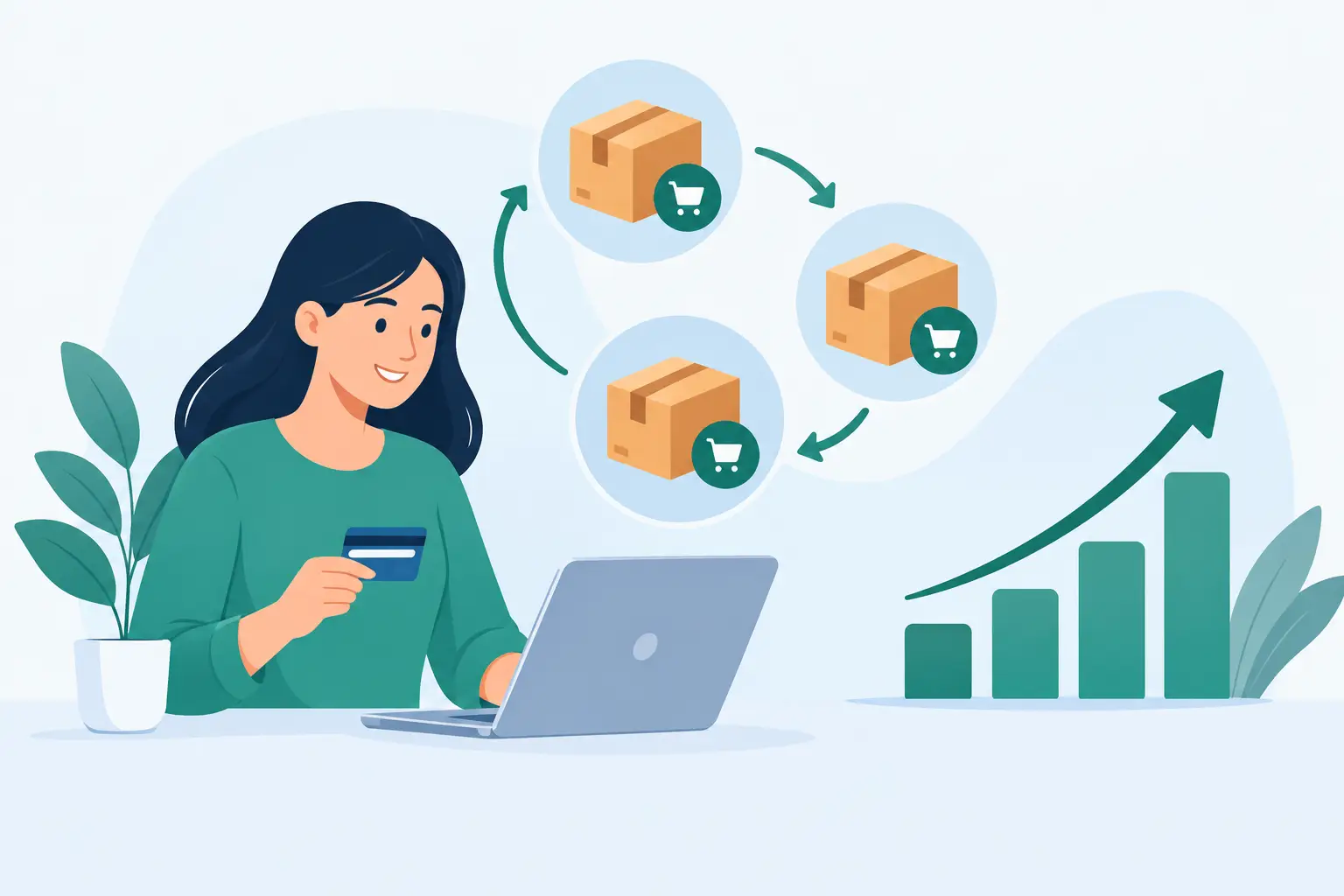
A business does not grow because a customer visits once. It grows when people have a reason to come back next week, next month and bring someone with them. That is why the best repeat purchase businesses attract serious attention from aspiring franchisees: they are built around habits, not one-off transactions.
For an Australian operator weighing up a $350K + GST investment, repeat purchase is more than a marketing metric. It can shape roster efficiency, stock planning, local-area awareness and the confidence to open a second site. But not every business that sells frequently is a strong repeat-purchase opportunity. The right model needs a product people genuinely want, a reason to return, and systems that make consistency possible.
What makes a repeat purchase business work?
The strongest repeat-purchase businesses sit naturally inside a customer’s routine. Think of the morning coffee run, the after-school treat, the quick lunch, the weekly fitness class or the easy family outing. Customers do not need a major occasion to visit. The purchase is accessible, familiar and enjoyable enough to become part of everyday life.
Frequency alone is not the full story. A low-priced product can produce plenty of transactions while leaving little room for labour, rent, wastage or franchisee earnings. A better question is whether the business combines regular demand with a commercially sensible average transaction value, disciplined operating costs and room for customer spend to grow over time.
The best concepts also give customers variety without making operations messy. New flavours, limited-time offers and thoughtful add-ons can create fresh reasons to return. Yet the core experience must remain easy to deliver at pace. If each sale relies on a highly specialised staff member, a long preparation process or dozens of hard-to-manage ingredients, growth can become harder than it looks from the customer side of the counter.
The best repeat purchase businesses create habits
Habit is powerful because it lowers the effort required to buy. A customer knows what to expect, recognises the location and trusts that the experience will be worthwhile. This is especially valuable in hospitality, where convenience and emotional reward often sit side by side.
Food and beverage businesses can be particularly compelling when they serve more than one occasion. A café that relies only on weekday office traffic has a different risk profile from a concept that can attract students after school, friends on weekends, families after dinner and shoppers passing through a centre. More occasions can mean a broader sales opportunity, provided the site and menu match the local market.
Dessert is a good example. It is not always a daily essential, but it can be highly repeatable when it feels affordable, shareable, customisable and worth leaving home for. The customer may come for a personal treat on Tuesday, meet friends on Saturday and return with family the following week. That is very different from a purchase tied to a once-a-year celebration.
The key is to avoid confusing novelty with repeatability. A visually striking product may generate a strong opening rush, particularly on social media. But unless the flavour, value and experience hold up, attention fades. A menu people crave matters more than a menu people merely photograph.
Categories worth assessing
There is no universal winner, because the best category depends on your capital, preferred role in the business, territory and appetite for operational complexity. Still, several models tend to have the ingredients needed for recurring demand.
Everyday food and beverage
Coffee, quick-service meals, bakery items, fresh bowls and snack-led concepts benefit from frequent customer need. Their strength is routine. Their challenge is competition, labour intensity and the pressure to secure an excellent site. In crowded markets, being just another option is rarely enough.
Health, wellbeing and fitness
Gyms, boutique studios, allied health services and recurring wellness offers can build predictable member behaviour. Subscription revenue can be attractive, although customer acquisition costs, retention and local competition deserve close scrutiny. Some formats also require more specialised staffing or larger premises.
Pet and household essentials
Grooming, pet care, cleaning services and everyday household products can produce regular demand because customers need them regardless of trends. These businesses may offer dependable purchase cycles, but they are not necessarily simple to scale. Service quality, logistics and staff availability can be decisive.
Treat-led, experiential food concepts
This category can create a strong balance of emotional appeal and repeat visitation when the product is accessible, the experience is social and the menu stays relevant. Frozen yoghurt, matcha drinks and customisable desserts are examples of purchases that can fit an afternoon catch-up, a shopping-centre visit or a family ritual.
For the right operator, this is where a concept such as YOVIE can stand apart: self-serve frozen yoghurt creates participation and choice, while ceremonial-grade matcha gives customers another reason to visit beyond a traditional dessert occasion. The opportunity is not simply to sell a cup. It is to create a bright, personal moment customers want to repeat and share.
Look beyond the transaction count
A high number of transactions can look impressive in a sales report. What matters is the quality of those transactions and the operating model behind them.
Start with customer frequency. How often could a realistic local customer visit? Then consider spend per visit. Does the model have credible opportunities for add-ons, premium products or group purchases without pressuring customers into buying more than they want? A business should feel good value while still supporting healthy unit economics.
Next, examine labour. In hospitality, a concept designed for lower labour requirements can offer a major advantage, especially when wage costs are high and good team members are hard to find. That does not mean the business runs itself. It means the day-to-day model is designed to avoid unnecessary complexity.
Supply chain also deserves direct questions. Are key products consistently available? Are there approved suppliers, tested recipes and clear ordering processes? A franchise system should remove the need for every franchisee to negotiate separately with suppliers or reinvent a product range from scratch. Consistency protects customer trust, and trust supports return visits.
Why franchising can strengthen repeat demand
A repeatable product is only half the equation. The other half is repeatable execution. Customers return when the product, service and environment feel reliably good, whether they visit on opening week or six months later.
This is where a well-built franchise platform can provide practical value. Site selection support can help match a concept to the right catchment. A proven fit-out can make the brand recognisable from the footpath. Training gives first-time operators a way to lead their team with confidence, while menu development and marketing keep the customer offer current.
For buyers without hospitality experience, the question should not be, “Can I learn every part of this industry alone?” It should be, “Does this business provide a clear system I can follow, while leaving room for me to lead locally?” The strongest franchisees are still hands-on leaders. They build their team, understand their customers and maintain standards. The difference is that they are not starting with a blank page.
Choosing a business with room to scale
Many buyers are focused on their first location, as they should be. Yet it is worth assessing whether the model could support a second or third site if the first performs well. Multi-store potential is not about rushing expansion. It is about choosing a brand and operating model that do not create unnecessary barriers later.
Compact formats can be appealing because they may fit a wider range of locations, from food halls and shopping centres to high-street sites. Smaller footprints can also reduce fit-out and staffing complexity, though the right format depends on lease terms, local traffic and the role the store plays in the precinct.
Territory matters too. An exclusive or protected area can give you clearer room to build a local customer base, while early-stage franchise programmes may offer preferred locations or more direct launch support. Ask exactly what is available, what is included and what remains your responsibility. The straight answers are more valuable than broad promises.
Questions to ask before you commit
Before investing, test the repeat-purchase proposition from the customer’s perspective and the operator’s perspective. Visit stores at different times, observe who is buying and ask what brings them back. Look for real signs of local loyalty, not just a busy Saturday afternoon.
Then assess the commercial foundations. Understand total investment, working capital needs, rent, expected staffing, supply arrangements, training, marketing contributions and the support available after opening. If finance is part of your plan, speak openly about your position early. A good franchise conversation should be transparent, personal and grounded in the numbers.
Finally, be honest about the role you want. A customer-facing business rewards operators who enjoy leading people, building community and maintaining high standards every day. If that sounds energising rather than exhausting, repeat purchase can become more than a number on a dashboard. It can become the momentum behind a business you are proud to grow.
The right opportunity is one where customers have a genuine reason to return and you have a clear reason to stay committed. Find both, and your first store can be the start of something much bigger.