
Franchise Marketing: What Builds Local Demand
Franchise marketing turns a strong brand into local demand. See what drives awareness, repeat visits and confident growth for franchisees across Australia.
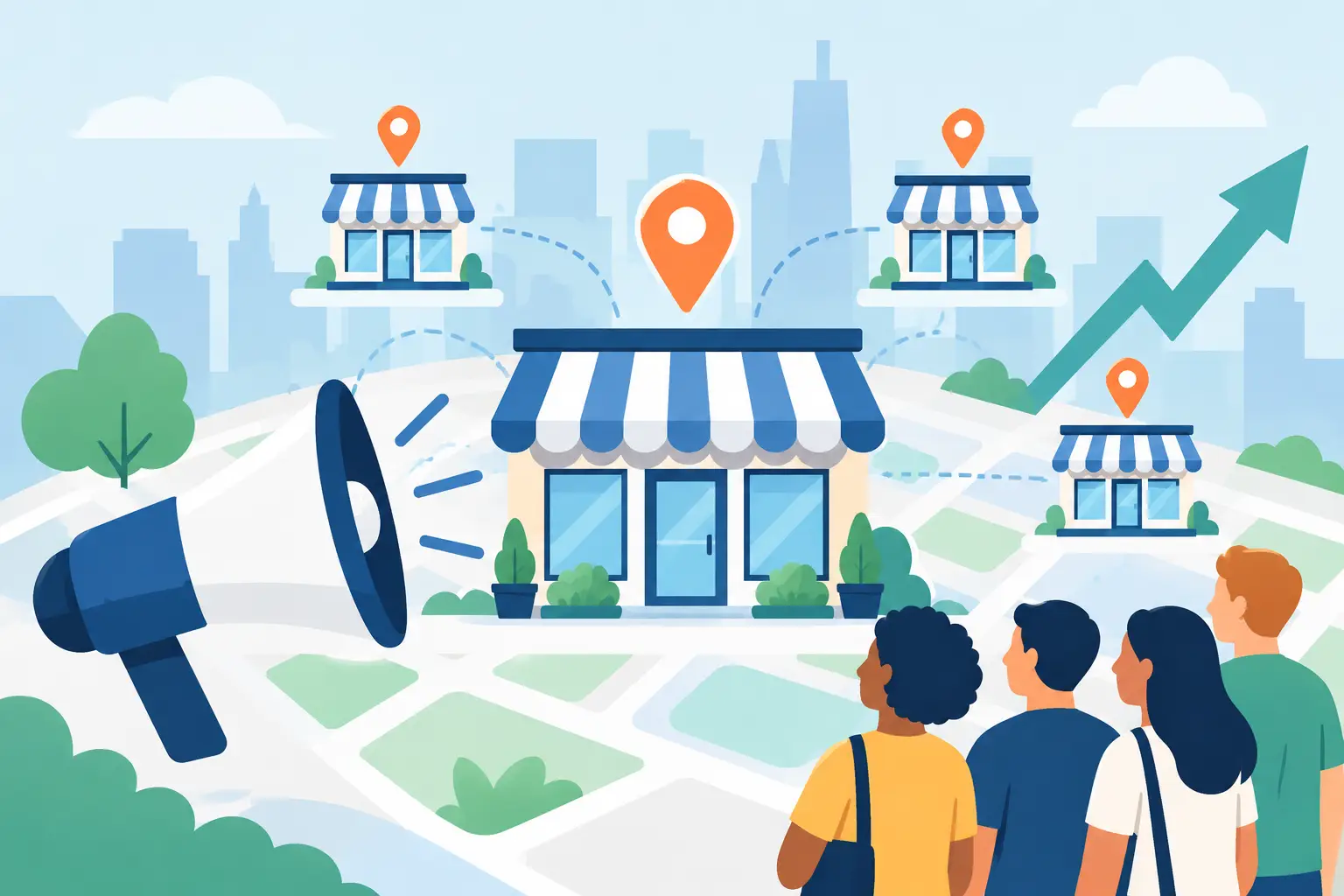
A great site, a polished fit-out and a menu people crave can give a new business real momentum. But franchise marketing is what turns that potential into opening-week queues, local recognition and the repeat visits that matter long after the launch buzz settles.
For an aspiring franchisee, marketing should not feel like another job you have to invent from scratch. It should be part of the business model: a clear brand customers recognise, campaigns built for the category, practical local tools and a team that understands how to create demand before and after the doors open.
Franchise marketing starts with a brand people notice
The strongest franchise brands do not ask each operator to create their own version of the business. They give customers a familiar experience, whether they walk into a food-hall kiosk in Melbourne, a high-street store in Adelaide or a retail destination in Sydney.
That consistency is commercial, not cosmetic. A recognisable visual identity helps a customer spot the store. Distinctive packaging and menu presentation make the purchase shareable. Clear product cues help a first-time visitor understand why they should choose you over the dessert option two doors down.
For a frozen yoghurt and matcha concept, the job is bigger than putting up pretty posts. Customers need to see a reason to visit: the freedom to build their own frozen yoghurt, colourful toppings, a ceremonial-grade matcha soft-serve they have not tried before, or a seasonal special worth bringing a friend along for. The experience has to look good on a mobile screen because it also needs to feel good in real life.
That is why brand-led marketing matters. A franchisee benefits from a platform that has already considered the store environment, product photography, tone of voice, campaign calendar and the small details that make a brand feel current rather than copied.
National brand, local action
There is a common misunderstanding that head-office marketing and local marketing are competing priorities. They are not. The national brand creates familiarity and gives every store a consistent point of view. Local activity makes that brand relevant to the people who can actually walk through your door this week.
A good franchisor should lead the first part: brand strategy, creative direction, menu launches, digital assets, promotional frameworks and campaign planning. The franchisee brings the second part: local knowledge, relationships and the day-to-day leadership that helps the store become part of its neighbourhood.
The balance will depend on the site. A CBD food-hall location may need to own lunchtime traffic, office workers and fast decisions. A suburban retail store may build around after-school visits, families and weekend rituals. A compact kiosk in a busy centre may benefit most from high visibility, sampling and a sharp offer that is easy to understand while people are on the move.
The message can stay consistent while the activation changes. That is smarter than treating every location as identical, and safer than letting every store make up its own brand rules.
What local demand really looks like
Local marketing is not simply boosting a post and hoping for the best. It is a series of practical actions that create awareness, prompt a first visit and give people a reason to return.
Before opening, that might mean centre advertising, local creator visits, community introductions and a launch offer with enough energy to get people talking. At opening, it means a team that can deliver the experience promised online, fast service and product presentation that earns a photo without asking for one.
After launch, the focus shifts. Seasonal flavours, limited-time creations, school holiday moments, local partnerships and customer content can all keep the store fresh. The best activity is not always the loudest. It is the activity that reaches the right local customer and can be repeated without giving away margin.
Marketing should support sales, not distract from operations
A campaign that drives traffic is only valuable when the store can serve that traffic well. This is where franchise systems matter.
If a promotion brings in a crowd but the team is under-trained, toppings are poorly stocked or the queue moves too slowly, the marketing has created a problem rather than a win. On the other hand, a well-designed offer paired with clear preparation standards and sensible labour planning can turn a busy period into a profitable one.
Franchisees should look for marketing that is built with operations in mind. Can the team execute it during peak trade? Is the offer easy for customers to understand? Does it encourage a higher-value purchase, a return visit or both? Are product supply and point-of-sale materials ready before the campaign begins?
These questions sound simple, but they separate attractive ideas from effective retail marketing. A brand you will want to wear needs systems that work when the queue is five people deep.
The measures that matter
Vanity metrics have their place. Reach, likes and video views can show whether a creative idea is catching attention. They are not the full scorecard for a franchisee investing serious capital into a customer-facing business.
The real question is what happens in-store. Are more people visiting? Are they spending more per transaction? Are they returning? Is a seasonal product lifting sales or only replacing purchases customers would have made anyway? Are quiet dayparts improving?
A useful marketing review should connect campaign activity to commercial outcomes. Depending on the store and available reporting, that may include transaction numbers, average transaction value, product mix, redemption rates, repeat-purchase behaviour and sales by daypart.
Context matters. A launch campaign may prioritise awareness and trial. A mature store may focus more heavily on frequency and margin. A new menu item may be worthwhile because it attracts a different customer, even if it is not the biggest seller in week one. Marketing decisions should be made with this level of judgement, not just a screenshot of social engagement.
Why a franchise model can make marketing easier
Starting an independent hospitality business means building the brand while building the operation. You are choosing suppliers, developing recipes, creating content, designing signage, finding a site and trying to work out what customers will respond to - often all at once.
A franchise model is designed to reduce that complexity. The right partner provides an established identity, product direction, marketing resources, launch planning and ongoing campaign support. You still need to lead your location, recruit a strong team and understand your market. But you are not beginning with a blank page.
At YOVIE, that means bringing together a bright, youth-led frozen yoghurt and matcha proposition with the practical support required to take it into a local market. The goal is not to hand franchisees a stack of generic artwork. It is to give them a brand platform, a menu people can talk about and a clearer path from site selection through to grand opening.
For operators considering a first store or a future multi-site portfolio, this matters. Marketing gets more efficient when a brand has a repeatable system, clear campaign assets and a customer experience that translates across different locations. The local work remains essential, but the central platform gives each new store a stronger starting point.
Questions to ask before you invest
Marketing should be part of the franchise conversation from the beginning, not a footnote after the investment decision. Ask how launch marketing is planned, what ongoing support is provided and which costs sit with the franchisor versus the franchisee.
Ask how the brand approaches local-area activity and whether you will receive practical guidance for your site type. Find out how new menu items are introduced, how customer feedback informs campaigns and what reporting helps you see whether activity is working.
It is also worth asking how the brand protects consistency. Franchise marketing works because customers know what to expect. If every store uses different offers, different visuals and a different customer experience, that recognition weakens quickly.
The straight answers matter. A credible franchisor will explain what it provides, what it expects from you and where results will depend on your hands-on leadership. No marketing plan can compensate for poor service or an unsuitable site. Equally, a committed operator should not have to invent the brand strategy alone.
A good franchise opportunity gives you more than opening-day attention. It gives you a reason to keep earning the next visit - one well-run shift, one local connection and one memorable customer moment at a time.