
Hospitality Automation That Helps Stores Grow
Hospitality automation helps dessert franchisees reduce routine labour, protect consistency and spend more time building loyal local customers daily.
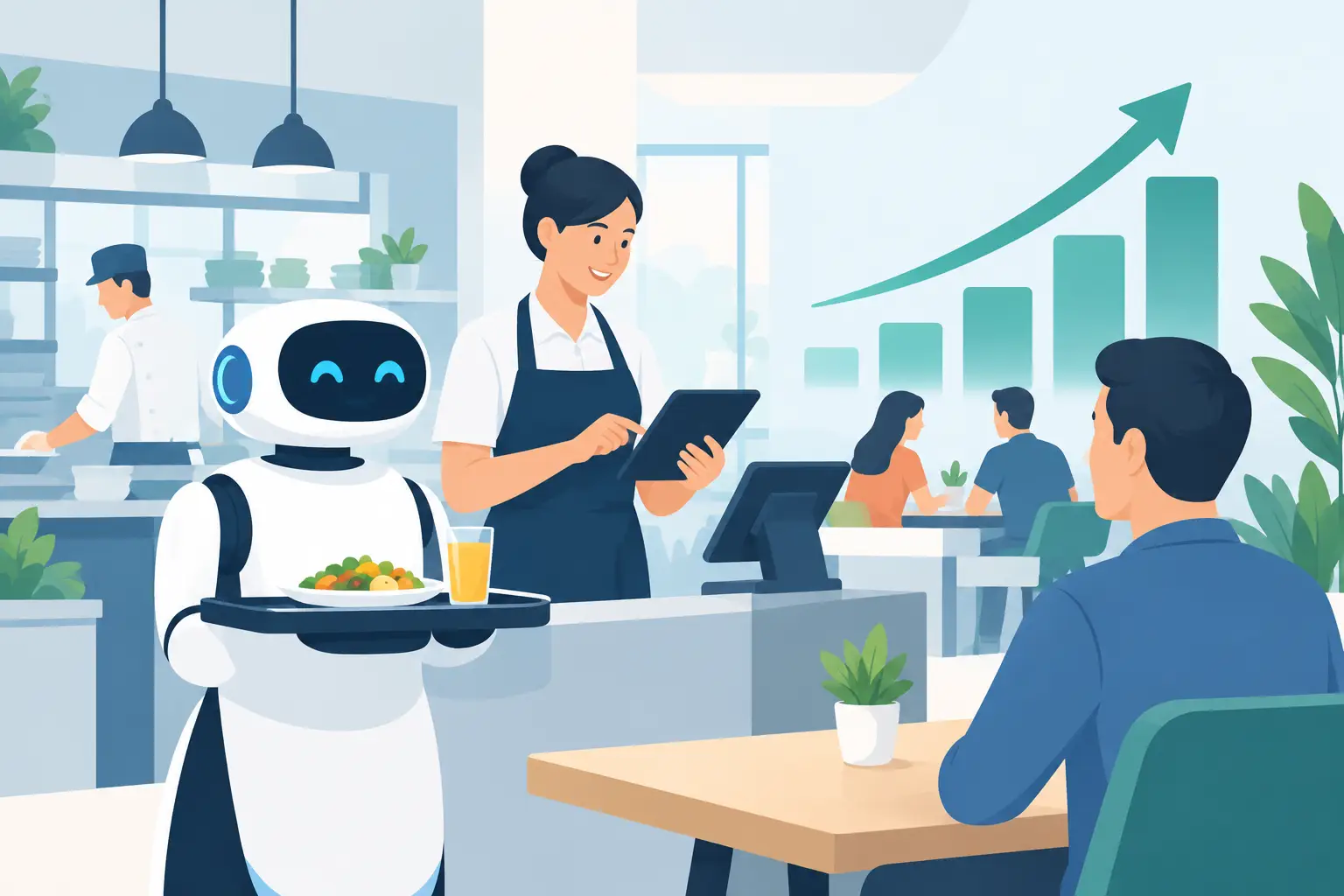
A Saturday afternoon rush can expose every weak point in a dessert business. A queue builds at the counter, toppings need refilling, a team member is training a new casual, and stock levels are harder to read than they should be. Hospitality automation is not about removing the human side of service. It is about taking repetitive work out of the way, so your people can keep the experience bright, fast and worth coming back for.
For an aspiring franchisee, that matters. You are not buying a job where every result depends on your memory, your roster, or whether the right person happens to be on shift. You are building a customer-facing business that needs clear systems from day one - and systems that can still work when one store becomes two.
What hospitality automation means in a modern dessert store
Hospitality automation is the use of connected systems, equipment and workflows to handle repeatable tasks with less manual effort. In a frozen yoghurt and matcha business, it can support ordering, payments, stock control, staff scheduling, customer communication and reporting.
The best version is rarely flashy. It is the practical set-up that removes friction at the moments customers notice most: ordering quickly, paying easily, finding a clean store, seeing their favourite product available, and receiving the same quality each visit.
For an owner, it also means fewer late-night checks across scattered spreadsheets, receipts and group messages. You should be able to see the key numbers, spot an issue early and make a decision without chasing information across five different places.
That does not mean every task should be automated. A guest trying a new topping combination may want a quick recommendation. A parent managing a family order may value patience. A matcha drink still needs care in preparation. Automation should protect those moments, not flatten them.
Where automation earns its place
Faster ordering and cleaner service flow
Self-serve frozen yoghurt already gives customers an active role in their visit. They choose their base, build their cup and make it their own. The right payment and point-of-sale set-up keeps that freedom moving rather than turning it into a bottleneck at the till.
Integrated payment terminals, clear product buttons and simple modifiers reduce transaction time and training pressure. They also lower the risk of inconsistent pricing or missed items. In a compact kiosk or food-hall site, even a few seconds saved per transaction can make a real difference during a peak period.
Digital ordering can suit some formats, particularly where customers are grabbing a matcha drink on the move. But it depends on the site. A high-street store with a social, browse-and-stay atmosphere may benefit more from an engaging counter experience than from pushing every guest to a screen. The goal is not to automate for the sake of it. The goal is to make buying feel easy.
Stock visibility before a bestseller runs out
Dessert stores carry more moving parts than they first appear to. There are frozen bases, matcha, milks, fruit, sauces, dry toppings, cups, lids, spoons, napkins and seasonal menu ingredients. A stock gap can stop a sale immediately, while over-ordering can create waste and tie up cash.
A connected POS and inventory process gives operators a clearer view of what is selling, when it is selling and which menu items are pulling their weight. If a seasonal special is moving quickly after school or on Friday night, that insight should feed into ordering and prep decisions.
Automation can flag low stock and help create more reliable ordering rhythms. It cannot replace judgement. Local events, school holidays, wet weather and a viral social post can all change demand. Good operators use the data as a guide, then apply local knowledge to make the call.
Rosters built around actual demand
Labour is one of the biggest controllable costs in hospitality. Understaff a busy shift and service slows, standards slip and the team feels the pressure. Overstaff quieter periods and margins disappear faster than they should.
Roster tools connected to trading patterns can make scheduling more disciplined. They help owners compare projected sales with labour hours, identify peak windows and reduce the time spent building rosters manually. Staff can receive shifts and updates through their mobile, while managers retain a clearer approval process.
This is especially useful for first-time owners who are stepping into hospitality from another career. You do not need prior hospitality experience to lead a great store, but you do need a structure that makes good decisions easier to repeat.
There is a human line to hold. Automated rostering should not treat people like interchangeable blocks on a grid. Your team needs fair communication, appropriate training and enough experienced coverage at the times that matter. The software can show you a pattern. Leadership decides how to use it.
Consistency in product and training
A menu people crave only works when it is delivered properly. Customers should receive the same quality whether they visit on opening week, during a school holiday rush or six months later when the roster has changed.
Digital training modules, opening and closing checklists, recipe guides and food-safety records can create that consistency. New team members can learn the expected sequence, managers can confirm key tasks have been completed, and owners can see where additional coaching is needed.
These systems are particularly valuable in a franchise setting, where the brand experience needs to hold across locations. The aim is not to turn every team member into a robot. It is to give them enough clarity that they can work confidently, keep the store looking sharp and spend more energy on customers.
Marketing that responds to customer behaviour
Not every guest needs the same message. A regular frozen yoghurt customer may be interested in a new topping or seasonal flavour. A matcha customer may respond to a morning offer. Someone who has not visited for a while may need a simple reason to return.
Customer relationship tools can support more relevant communication when they are used with restraint. Loyalty activity, digital receipts and campaign reporting can show what is working beyond likes and views. That matters when you are investing in local area marketing and want to know whether activity is driving visits.
Keep it useful. Too many offers can train customers to wait for discounts, while too many messages can become noise. A strong brand should create desire through product, experience and visibility first. Automation helps you follow up with customers thoughtfully.
The commercial case: lower complexity, not zero labour
The promise of automation is often overstated. It will not fix a poor site, a menu without demand or a disengaged owner. It will not remove the need for training, maintenance or hands-on leadership.
What it can do is reduce unnecessary complexity. It can make cash handling tighter, reporting clearer, ordering more disciplined and routine tasks easier to check. That supports a lower-labour operating model, particularly when store design, menu engineering and equipment choices are working towards the same goal.
For a franchisee planning a multi-store future, this is where the value compounds. One location can be managed through close daily involvement. A second or third location needs a more repeatable operating rhythm. You need visibility without personally standing behind every counter, every day.
At YOVIE, the opportunity is built around more than a colourful dessert moment. The brand, site guidance, training, supply chain, recipes and operating support are designed to give franchisees a foundation they can lead with confidence. Automation should sit inside that foundation as a practical tool, not a substitute for the operator.
Questions to ask before investing in a system
Before adding any technology, start with the problem you are trying to solve. Is the queue too slow? Is wastage unclear? Are rosters taking too long? Are managers missing daily standards? A clear problem leads to a better choice than buying a platform because it has an impressive demo.
Ask whether the system connects with your existing POS, payments, accounting and inventory processes. Disconnected tools can create more admin, not less. Also ask what happens when the internet drops out, who owns the data, what training is required, and what support is available when something fails on a busy weekend.
Cost matters, but so does adoption. A cheaper system nobody uses properly is more expensive than a well-supported one that gives you reliable information. Start with the workflows that affect service, labour, stock and compliance most directly. Add complexity only when the business is ready for it.
The right hospitality automation should make a store feel more personal, not less. When routine work is handled well, your team has time to greet customers, keep the space inviting and make every yoghurt or matcha order feel like a small reward. That is where efficient operations and a business people genuinely want to return to meet.