
What Drives Franchise Growth Beyond Store One
Learn how franchise growth is built through a strong brand, smart sites, repeatable systems and committed local operators across Australia with care.
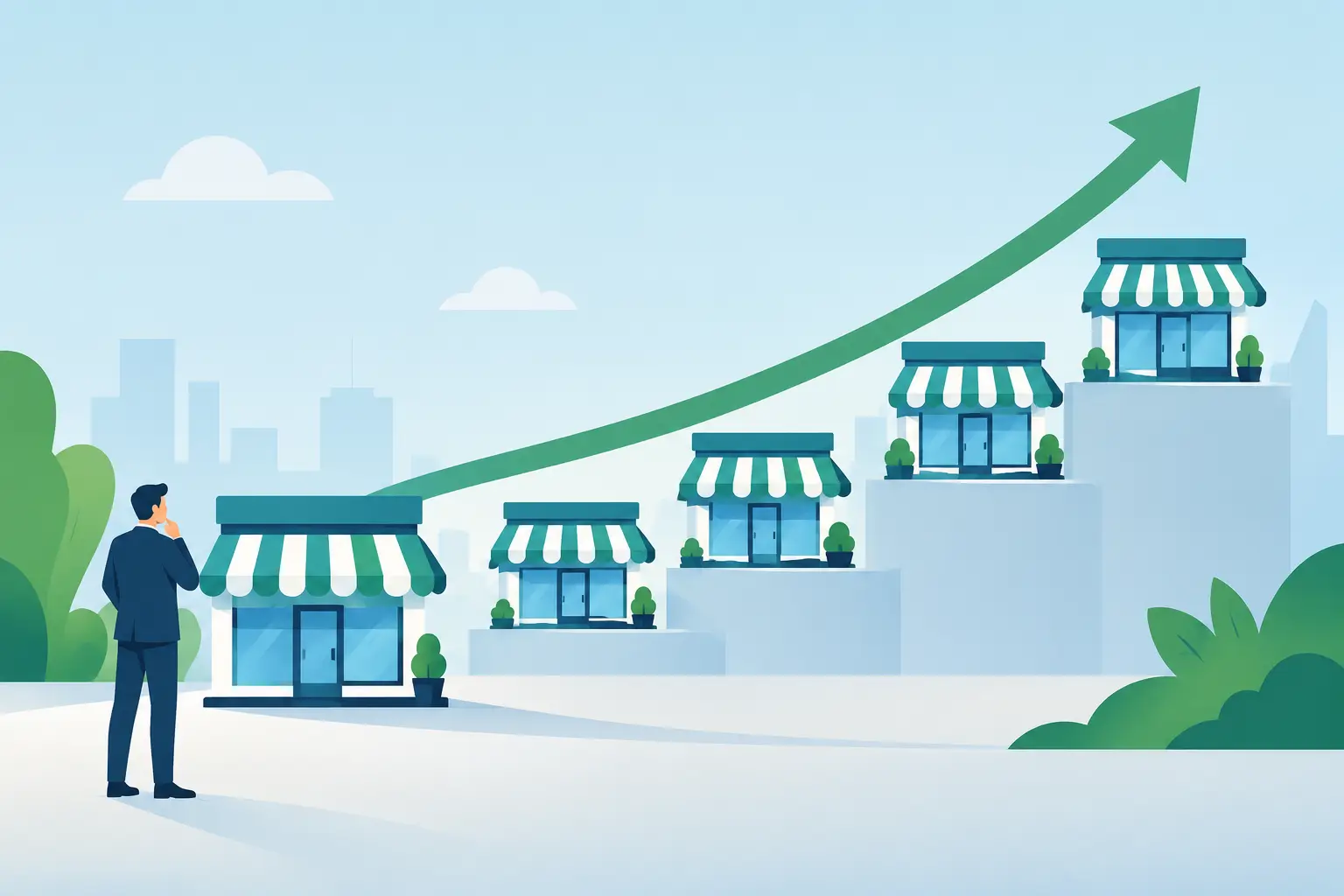
A first store can prove that a customer wants what you sell. Franchise growth proves something more demanding: that the business can deliver the same quality, energy and commercial discipline again and again, in different locations, with different teams. For ambitious operators, that distinction matters. A busy opening week is exciting. A model that can build momentum beyond store one is where long-term value is created.
In dessert and beverage retail, growth is not simply about adding more sites to a map. It is about building a brand people recognise, a menu people crave and an operating system that does not rely on one exceptional owner doing everything themselves. The strongest franchise networks make expansion feel considered, not rushed.
Franchise Growth Starts With Repeatable Demand
A franchise can only expand when customers have a clear reason to choose it repeatedly. That sounds obvious, but many hospitality concepts are built around novelty alone. They may look great at launch, then struggle once the social posts slow down and customers return to their usual habits.
Repeatable demand comes from a proposition that fits more than one occasion. A guest might visit for a quick afternoon pick-me-up, a family treat, a catch-up with friends or a post-dinner dessert. The more naturally a brand earns a place in everyday routines, the more dependable its sales base can become.
That does not mean trying to be everything to everyone. It means being distinctive enough to be remembered and accessible enough to become a regular choice. Frozen yoghurt offers personalisation and participation. Matcha brings craft, a contemporary feel and another reason to visit. When those elements sit together with seasonal specials, customers have variety without the operation becoming unnecessarily complex.
A menu also needs to work commercially. Plenty of choices can create excitement, but too many ingredients, complicated preparation steps or slow service can erode margins and make training harder. The sweet spot is a menu with visual appeal and genuine choice, supported by recipes, portion controls and supply standards that can be maintained across every location.
The Brand Must Travel Well
A brand that works in one suburb is not automatically ready for another. Local demographics, competing offers, weather patterns, shopping behaviours and retail rhythms all affect performance. A high-street location may trade differently from a food-hall site. A compact kiosk has different staffing and stock requirements from a full retail store.
This is why growth should be guided by a clear format strategy. Rather than forcing every opportunity into the same box, a mature franchise platform identifies where each store format makes sense and what conditions it needs to succeed. Foot traffic alone is not enough. The right traffic matters: people who fit the customer profile, have time to browse or purchase, and can return often.
Site selection is one of the highest-stakes decisions an owner will make. A lower rent can be attractive, but it may come with poor visibility or weaker customer flow. A premium centre can bring exposure, but higher occupancy costs require stronger and more consistent sales. There is no universal answer. The right site is one where projected revenue, costs, access, visibility and local demand stack up together.
For franchisees, support through this process can remove a major barrier to entering hospitality. Finding a site, interpreting leasing terms, planning a fit-out and opening on time are specialised jobs. A brand with a tested process gives operators a clearer path, while still recognising that local knowledge is valuable.
Systems Turn Good Stores Into Scalable Stores
The difference between a well-run independent business and a scalable franchise is often found behind the counter. Customers see the colours, product and service. Owners need to see the system underneath: training, ordering, rostering, food safety, reporting, maintenance, marketing calendars and support when something goes wrong.
Franchise growth depends on these systems being practical. A handbook that sits unopened in a back office does not help a new manager handle a busy Saturday. Training needs to prepare people for the real work of opening, serving, cleaning, leading a team and managing the numbers.
Lower labour requirements can be a genuine advantage, particularly in a category where wage costs can quickly pressure profitability. But lower labour does not mean no leadership. The best operators still create a friendly, fast and consistent guest experience. They recruit carefully, set standards early and stay close to the business, especially during the first months.
Supply chain matters just as much. A menu may look simple, but its quality depends on reliable product availability, clear specifications and suppliers who can support network demand. As more stores open, buying power can improve and processes can become more efficient. At the same time, a growing network must protect quality. Cutting corners on ingredients or presentation can damage the very brand customers came back for.
The Right Franchisee Is Part of the Growth Plan
A franchise model is not passive ownership dressed up as hospitality. Franchisees bring capital, local market understanding and hands-on business leadership. The franchisor brings the brand, operating model, training, product development, site assistance, supply chain and ongoing support. Both sides have work to do.
Hospitality experience is helpful, but it is not the only predictor of success. A strong franchisee is coachable, commercially aware and prepared to follow a proven system while leading their own team. They can read a profit and loss statement, act on customer feedback and keep standards high after the launch excitement has passed.
For an owner moving out of corporate life or building their first business, this structure can be a practical middle ground. You are not starting from a blank page, but you are still responsible for the outcome. That accountability is a feature, not a flaw. It keeps the business close to the customer and gives the owner a direct reason to improve every day.
Multi-store growth adds another layer. Running two or three locations requires a shift from being the person on every shift to building capable managers, setting clear routines and reviewing performance across the portfolio. Some franchisees are ready for that path quickly. Others should focus on making their first store consistently profitable before considering a second. Faster is not always better.
Growth Needs Commercial Discipline
A good-looking store and a busy social feed do not replace financial discipline. Before committing to a franchise, prospective owners should understand the total investment, working capital needs, likely ramp-up period and the variables that can affect returns. Rent, wages, local competition, trading hours and site performance all matter.
For YOVIE, the turnkey investment begins at $350K + GST, with at least $150K in liquid capital required. Qualified applicants may be able to access finance, but finance should support a sound plan, not stretch an owner beyond a sensible level of risk. A five-year franchise term, with a renewable five-year option, gives operators a framework to build over time, provided they meet the obligations of the agreement.
Early-stage territory opportunities can be particularly appealing to growth-minded operators. Preferred areas, priority selection and direct launch support can create a strong starting position. They also demand careful judgement. Exclusivity is valuable only if the territory has the customer base, site opportunities and local conditions to support the business.
The straight answers matter here. No franchise can promise a particular sales result or remove all operating risk. What a capable franchise platform can do is reduce avoidable complexity, provide proven tools and help franchisees make better-informed decisions from enquiry through to grand opening and beyond.
Build a Network Customers Want to Return To
The best growth strategy is not to chase store numbers for their own sake. It is to create locations that feel consistently worth visiting: bright, welcoming, easy to understand and made for real moments of joy. When customers return, teams can operate confidently and franchisees can see a credible path forward, expansion becomes an outcome of doing the fundamentals well.
If you are assessing your next business move, look beyond the opening-day excitement. Ask whether the brand has a reason to exist in the market, whether its systems make daily operations easier and whether you can see yourself leading it with energy for years, not weeks. That is the foundation from which a first store can become something much bigger.