
Kiosk Format Selection for Dessert Franchises
Kiosk format selection shapes visibility, labour, rent and growth. Learn how to choose a dessert franchise site that can perform consistently at scale.
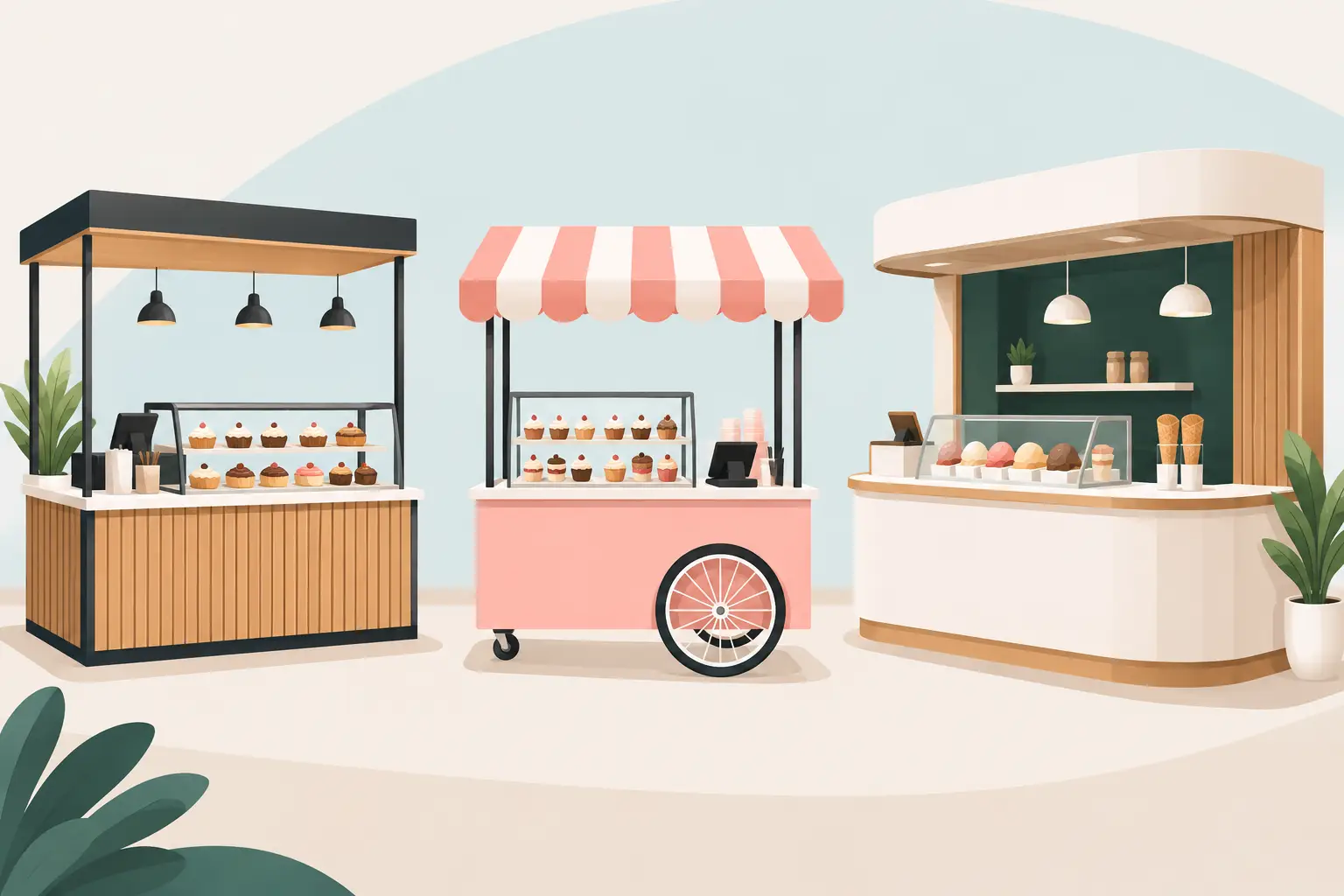
A great site can still be the wrong site if the format does not fit. Kiosk format selection is where a promising dessert business becomes a practical operating model: the right footprint, the right customer flow, the right rent structure and enough visibility to turn passing traffic into repeat visits.
For an aspiring franchisee, the question is not simply, “Can we fit a counter here?” It is whether the location gives a frozen yoghurt and matcha concept the room to trade well, build local awareness and operate without unnecessary complexity. A compact kiosk can be a powerful first step. In the wrong setting, it can also limit menu delivery, create awkward queues and put pressure on margins.
Start With the Customer Journey, Not the Floor Plan
Dessert is often an impulse-led purchase, but it is rarely a random one. Guests need to see the offer, understand it quickly and feel drawn into the experience. For a self-serve frozen yoghurt and matcha concept, that means the format has to make choice visible.
A customer should be able to spot the brand from a distance, recognise the product category and understand where to order or begin creating their dessert. If the kiosk is hidden behind seating, blocked by neighbouring tenancies or squeezed into a low-traffic corner, even a beautiful fit-out has to work too hard.
Think about the visit in real terms. A group of teenagers may arrive after school and want to browse toppings together. A parent with children needs clear access and space to move. A worker on a lunch break wants a fast, obvious path to a matcha drink. The best format supports all three without turning the counter into a bottleneck.
Kiosk Format Selection: What Really Drives Performance
The ideal kiosk is not always the largest one. More square metres can bring more rent, more cleaning, more equipment and more labour requirements. A smaller site can be commercially sharper when it is highly visible, well positioned and designed around a focused menu.
The decision comes down to four connected factors: traffic quality, visibility, trading environment and operational capacity. Each needs to stack up before a lease is considered.
Traffic Quality Beats Raw Footfall
A centre may report huge weekly foot traffic, but franchisees need to ask where those people are going and when they are there. A kiosk beside a supermarket might see constant movement, yet shoppers carrying bags may not be ready to stop for dessert. A site near a cinema, youth fashion retailers, family dining or a major food court can be more aligned with the occasion.
Look for traffic that suits the menu. Frozen yoghurt performs well where people are browsing, socialising, taking a break or treating themselves. Matcha can add an afternoon pick-me-up and broaden the reason to visit. The strongest locations create more than one trading occasion across the day.
Also assess weekday versus weekend patterns. A CBD food-hall site may surge at lunch but soften after 3 pm. A suburban shopping centre might trade steadily around schools, families and weekend errands. Neither is automatically better. The format and roster need to match the rhythm of the precinct.
Visibility Has a Commercial Value
For an emerging or youth-led dessert brand, visibility is not a nice extra. It is part of the marketing plan. Open sightlines, strong fascia exposure and proximity to natural customer paths help the store create daily brand impressions before a guest makes their first purchase.
A kiosk should be visible from more than one approach where possible. It should not rely on a single narrow entrance or sit behind temporary promotional stands. Ask where centre signage is permitted, whether menu boards can face the main traffic flow and how the tenancy looks during peak trade.
Good visibility also supports social sharing. Bright product displays, colourful toppings and a distinctive serving moment can encourage guests to take photos, tag friends and come back with a group. That only works if the format gives the experience room to be seen.
The Trading Environment Must Match the Brand
A compact kiosk works best when the surrounding offer complements it. Consider who the neighbouring retailers attract, how long visitors stay and whether the precinct encourages food and beverage purchases.
Food courts can offer built-in dining traffic and shared seating, which reduces the need for a large dine-in area. High-street kiosks can benefit from strong pedestrian activity and street presence, but weather, parking, local events and late-night trade become more relevant. Shopping-centre kiosks can provide consistency, though centre rules, opening hours and promotional levies need careful review.
There is no universal winner. The right choice depends on the local catchment and the specific commercial deal. A busy centre with poor frontage can underperform a smaller precinct with excellent placement and a loyal local audience.
Capacity Must Support the Menu You Want to Sell
Format sets the boundaries for equipment, storage, preparation and service speed. Before committing to a kiosk, work through the menu line by line. Where do frozen yoghurt machines sit? How will toppings be displayed and replenished? Is there enough cold storage? Can team members make matcha drinks while serving self-serve guests without crossing paths?
A kiosk built for one simple product can struggle once seasonal specials, drinks and higher-volume periods are introduced. The goal is not to overbuild. It is to create enough capacity for the menu people crave, including the products that lift average transaction value and give customers another reason to return.
Back-of-house space deserves as much attention as the customer-facing counter. Deliveries need a clear route. Stock needs a home. Cleaning, rubbish removal and handwashing facilities need to meet practical and site requirements. Small compromises in planning can become daily frustrations for the owner and team.
Compare Kiosk, Food-Hall and Full-Store Options Honestly
A kiosk is attractive because it can reduce footprint and fit-out complexity while placing the brand close to high-intent foot traffic. It can also be a smart entry point for a hands-on owner who wants a customer-facing business with lower labour needs than a large hospitality venue.
Its trade-off is flexibility. A kiosk may have limited storage, fewer seats and tighter operating space. It needs exceptional design discipline and a site that delivers natural demand.
A food-hall tenancy generally provides more defined service space and access to communal seating. It can suit a broader menu and stronger dine-in occasions, particularly in centres with established food traffic. However, the tenancy must compete with other food operators for attention, and peak demand can be concentrated into limited periods.
A full retail store gives greater brand presence, room for seating and more opportunities to build a destination. It may be the right move in a high-performing territory or for an operator with multi-site ambition. It also requires a larger commitment to rent, fit-out and day-to-day management.
The best first format is the one that makes commercial sense for the catchment, capital plan and operating goals. It should not be chosen simply because it looks impressive on opening day.
Pressure-Test the Deal Before You Sign
Site selection should bring together property advice, franchisor experience and your own local knowledge. At YOVIE, the franchise model is designed to support owners through site assessment, format planning, fit-out, training and launch, so franchisees are not left trying to piece together a hospitality business from scratch.
Still, every prospective owner should ask direct questions. What are the base rent, outgoings, marketing contributions and fit-out obligations? What trading hours are required? Are there exclusivity protections around frozen yoghurt, desserts or matcha? What happens if the centre changes its tenancy mix? Are there limits on outdoor signage, sampling or delivery access?
Then test the numbers against conservative sales assumptions, not opening-week excitement. Allow for seasonal changes, public holidays, staff cover, equipment maintenance and the time it takes to build a local customer base. A $350K + GST turnkey investment deserves clear answers, not optimistic guesses.
Choose a Format That Leaves Room to Grow
The strongest kiosk format does more than open neatly. It gives you a repeatable model that can be measured, improved and potentially replicated in the next territory.
Choose the site where your customers can find you easily, your team can serve them confidently and the operation can stay disciplined when the queue is long. That is the kind of format decision that turns a bright first store into a business built to grow.