
How a Multi Site Franchise Builds Momentum
See how a multi site franchise can turn one proven dessert outlet into a stronger portfolio, with systems, leadership and local demand working well together.
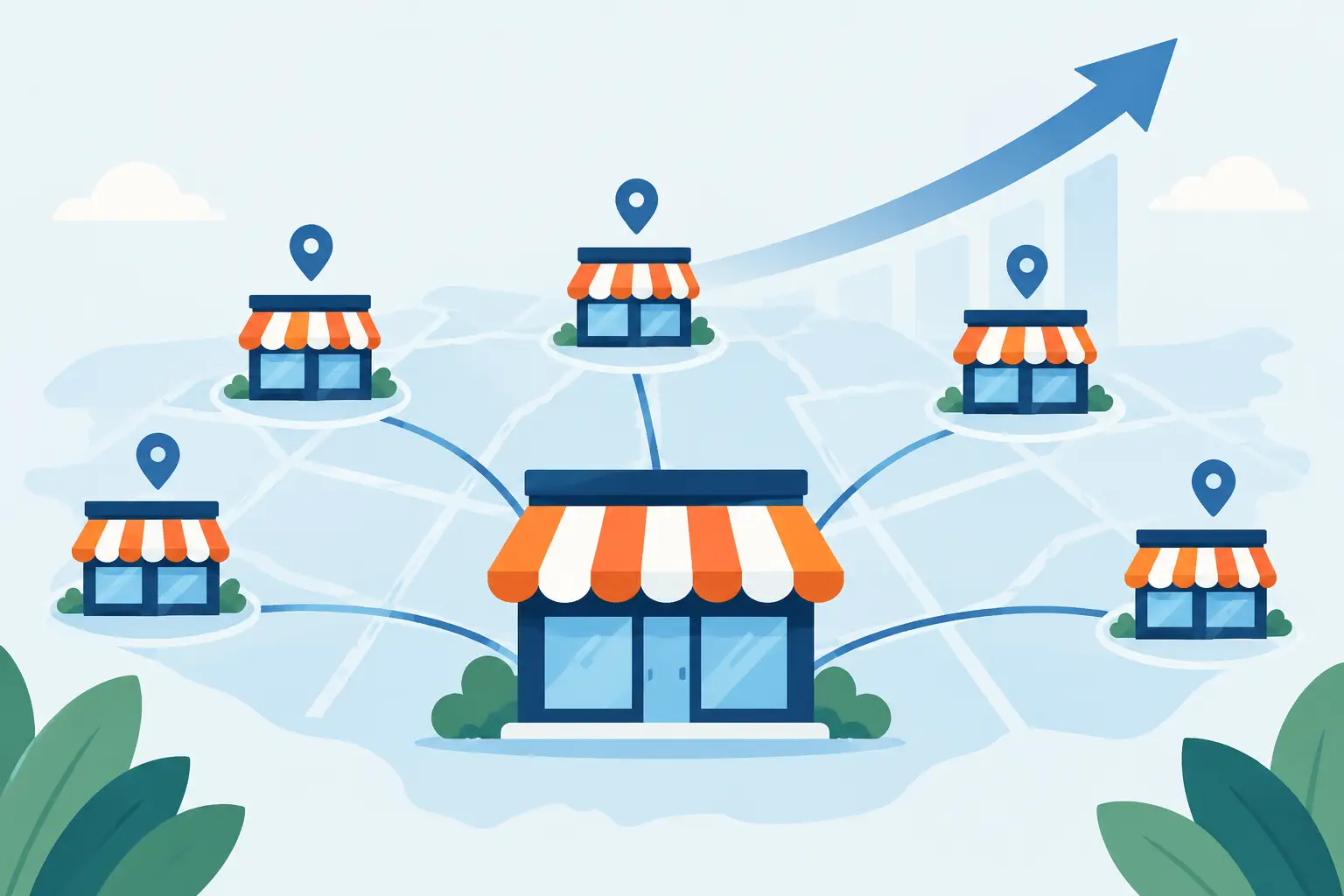
One busy Saturday can make a second store look tempting. A queue at the counter, a full toppings bar and guests sharing their creations can show what a great location and a brand people want to wear can do. But a multi site franchise is not built by copying and pasting store one. It is built by proving that the first store can perform with clear systems, capable people and disciplined local leadership.
For ambitious Australian operators, multi-site ownership can be a genuine pathway from hands-on business ownership to a stronger retail portfolio. The appeal is clear: more than one revenue source, broader territory coverage and the ability to build a team that grows beyond one owner’s shifts. The reality is equally clear. More sites bring more decisions, more people and more moving parts.
The right time to expand depends on the operator, the market and the model. The best first move is rarely “open everywhere”. It is opening the next site when the foundations are ready.
Why a multi site franchise can make commercial sense
A single outlet gives an owner a close view of every detail. You know the regulars, notice when a topping is running low and can step behind the counter when trade spikes. That proximity is valuable, especially during launch. It teaches you what local customers respond to, how rosters affect service and which habits drive repeat visits.
A second or third site changes the role. The owner begins to lead leaders rather than personally solve every problem. Done well, that shift can create operational leverage. Training systems can be repeated, purchasing can be managed more consistently and marketing activity can carry further across a defined local area.
For a dessert business, there is also a practical customer benefit. A recognisable brand in more than one convenient location makes it easier for guests to choose it again. A customer who discovers matcha soft-serve near work may return with friends at a shopping centre on the weekend. Familiarity matters, but only when every location delivers the same quality, energy and experience.
That is why scale should follow consistency. A store that only works because the owner is present every hour is not yet a platform for growth. A store with documented routines, trained supervisors and reliable service standards is much closer.
The first store is the operating blueprint
Your first site is not simply a launch. It is where you learn how you lead, hire, read trade patterns and respond to pressure. It should become the operating blueprint for every location that follows.
Before considering another site, look past headline sales. Ask whether service remains strong during peak periods, whether stock control is accurate, whether rosters are being managed to demand and whether the store manager can confidently run a shift without you. These answers say more about readiness than enthusiasm alone.
A good franchise system reduces the amount you need to invent. It can provide the brand, recipes, supplier network, store design, menu development, training and operating procedures. That does not make ownership passive. It gives you a clearer starting point, so your attention can go into execution, people and local market knowledge rather than building every part of a hospitality business from scratch.
YOVIE is designed around that distinction. The model combines self-serve frozen yoghurt with ceremonial-grade matcha soft-serve and drinks, supported by compact formats that can suit kiosks, food halls, high streets and full retail stores. The offer is colourful and shareable by design, but the business behind it needs to be organised, commercially focused and repeatable.
What changes when you add a second location
The biggest challenge in multi-site ownership is not distance between stores. It is the change in management style. At one site, you can often rely on instinct and presence. Across several sites, your standards need to be visible in the way managers train, report, communicate and make decisions.
That starts with people. A second store should not leave the first without leadership. If your best supervisor moves to the new site, have you developed someone ready to step up? If a manager resigns in a busy month, can the business absorb the disruption without service slipping? Building a bench of trained team leaders is not a nice-to-have. It is one of the main safeguards against growth becoming chaos.
It also changes the way you use numbers. Daily sales are useful, but they are only one part of the picture. You need to see labour as a percentage of sales, product movement, wastage, average transaction value, customer feedback and local area trends by store. A compact dashboard lets you spot where a location needs support before a small issue becomes a costly pattern.
Then there is time. A multi-site operator needs a predictable rhythm: store visits, manager check-ins, financial reviews, recruitment planning and time to work on the next opportunity. If every day is spent filling shifts, there is little room to improve the business. The goal is not to become distant from the shop floor. It is to become intentional about where your presence has the most value.
Choose territory with discipline, not hype
A great brand does not remove the need for a great site. Catchment, visibility, nearby complementary retailers, access, leasing conditions and local competition all matter. So does format. A high-footfall centre kiosk may suit one market, while a high-street shopfront with room for social occasions may suit another.
When building a multi site franchise portfolio, it is tempting to chase the busiest-looking precinct. Yet the smartest choice may be a territory where the customer profile fits, the commercial terms are workable and there is room to build awareness over time. The right site is a commercial decision first, not a photo opportunity.
Preferred territories can be particularly valuable for early operators. They offer more certainty around where you can grow and help prevent your own success from creating unwanted competition nearby. But territory alone is not a reason to rush. Assess each location on its own merits, including capital needs, likely staffing requirements and how it will fit into the wider operating network.
A turnkey franchise investment of $350K + GST still requires an owner to retain working capital and make level-headed decisions. Having at least $150K in liquid capital may help meet entry requirements, but it should not be confused with a complete expansion plan. Finance may be available to qualified applicants, and professional financial and legal advice is essential before committing to any franchise agreement or additional site.
Build the team before the portfolio
The most scalable operators create a culture people want to join. In a youth-led dessert brand, that means more than a friendly greeting. It means clear expectations, fast but thorough training, pride in presentation and a genuine understanding of the customer experience.
Guests notice when a team enjoys the product and knows how to guide a choice. They notice when a self-serve area is immaculate, when matcha is prepared with care and when the store feels energetic without feeling chaotic. Those details can drive return visits, and return visits are the foundation of a business built to grow.
For the owner, culture becomes practical through routines. Regular coaching, store audits, recognition for strong performance and honest conversations about gaps all help maintain standards across locations. The best managers should have a pathway to take on more responsibility. Otherwise, expansion can create a cycle of constant hiring rather than a team that grows with the business.
Know when to wait
Not every successful first store should immediately become two. Waiting can be the right commercial call if the initial site is still finding its rhythm, if leadership depth is thin or if capital would be stretched too far. There is strength in choosing controlled growth over growth for appearances.
Equally, waiting too long can mean missing a strong territory or losing momentum in a market where customers are responding well. The answer comes from evidence: store performance, manager capability, local demand, available sites and your own capacity to lead the next stage.
A multi-site portfolio works best when each new location makes the whole business stronger, not merely bigger. Get the first store right, build people who can carry the brand with confidence, and choose the next opportunity with the same care you gave the first. That is how a menu people crave becomes a business with room to grow.