
How to Open a Frozen Yoghurt Shop in Australia
Learn how to open a frozen yoghurt shop in Australia, from capital and site choice to systems, staffing, menu design and franchise support confidently.
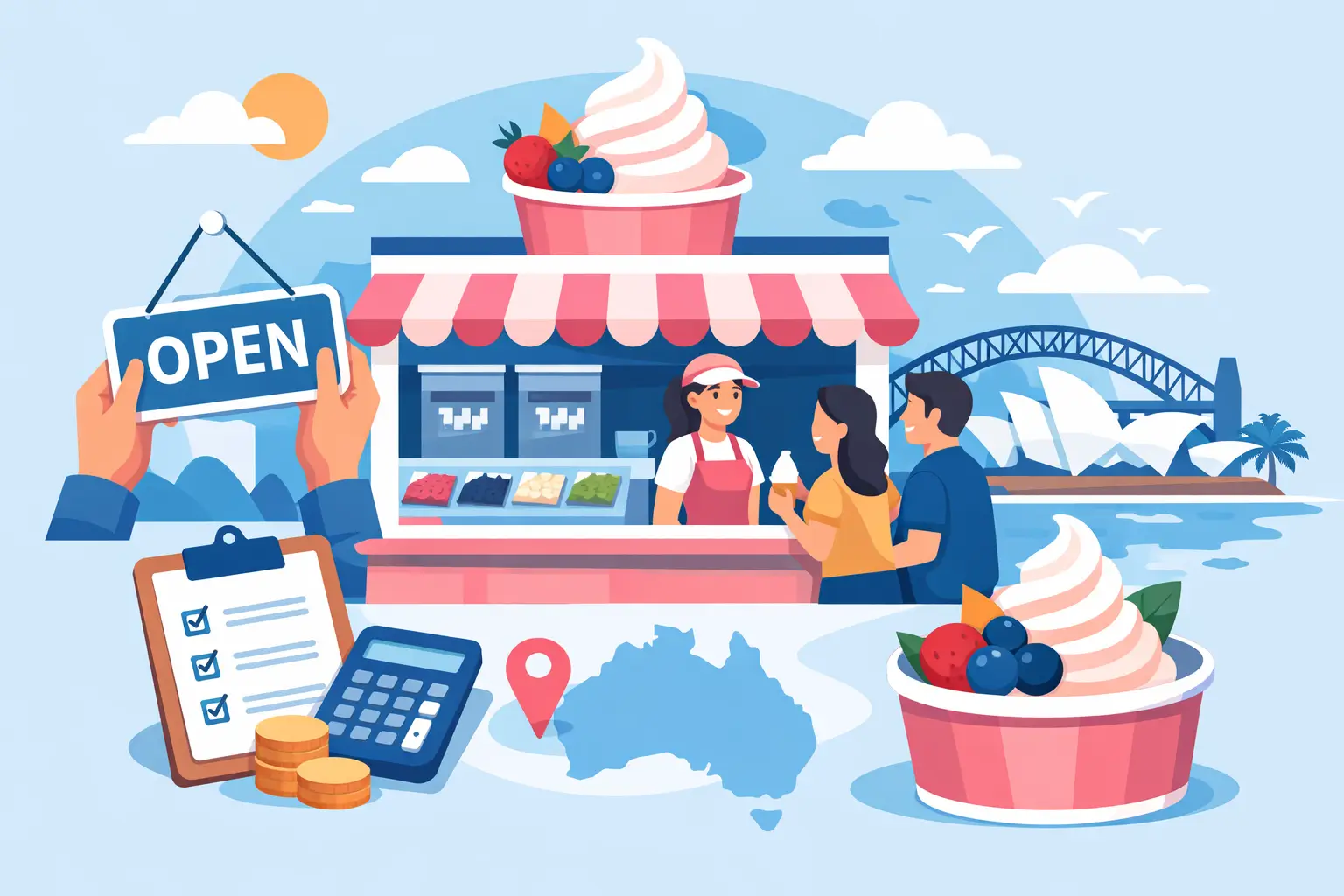
A bright shopfront, colourful toppings and a queue of customers building their own dessert can make it look simple. But to open a frozen yoghurt shop successfully, the decisions behind the counter matter just as much as the experience in front of it. Site economics, product consistency, labour design and local demand will shape whether your business becomes a regular ritual or a short-lived novelty.
Frozen yoghurt remains a compelling hospitality category because it sits in a useful space: indulgent enough to feel like a treat, yet aligned with consumers seeking choice, lighter options and a personalised experience. Add matcha, seasonal specials and a social-first store environment, and there is potential to create more reasons for customers to return across the week.
For an aspiring owner, the opportunity is not simply to sell dessert. It is to build a local brand people want to visit, photograph and bring friends back to.
Start with the business model, not the toppings
Before choosing flavours or sketching a shop fit-out, decide what kind of business you are building. A frozen yoghurt store can operate as a self-serve destination, a staff-served dessert bar, a kiosk, a food-hall tenancy or a larger high-street store. Each format has different capital needs, operational pressures and revenue potential.
Self-serve can create theatre and give guests the freedom to build their own cup. It can also reduce the number of team members needed at peak times, provided the store layout, cleaning processes and portion control are well designed. A staff-served model gives tighter control over presentation and food cost, but may require more labour when trade is busy.
The right choice depends on the location. A compact kiosk in a busy shopping centre needs speed, visibility and a menu that is easy to understand at a glance. A high-street store may benefit from seating, a broader beverage offer and more of a neighbourhood feel. Do not take on a larger footprint simply because it looks impressive. Rent, outgoings and fit-out costs need to be supported by realistic sales.
Know the numbers before you commit
A dessert business is not a low-effort investment. You will need enough capital to secure the site, fund the fit-out, purchase equipment, cover opening stock and maintain working capital while the business finds its rhythm.
When assessing an opportunity, ask for the straight answers on total investment, ongoing fees, expected fit-out scope, equipment inclusions and the cash buffer required after opening. A sensible plan also accounts for rent, wages, utilities, insurance, merchant fees, local marketing and maintenance.
If you are considering a franchise, understand what is included in the turnkey investment and what remains your responsibility. For example, YOVIE’s franchise model requires an investment from $350K + GST, with at least $150K in liquid capital. Qualified applicants may be able to access finance, but lending should never replace careful cash-flow planning.
Your financial model should test more than an optimistic sales forecast. Run scenarios for a slower opening period, higher-than-expected wages, seasonal trade shifts and a tenancy that takes longer to build awareness. Confidence is valuable. So is having a buffer.
Choose a site where customers already move
The best frozen yoghurt shop sites do not rely on customers going out of their way to find them. They benefit from natural foot traffic, strong visibility and nearby reasons to visit. Think shopping centres, food precincts, entertainment areas, family-oriented retail hubs, university-adjacent locations and active high streets.
Look beyond total foot traffic. The people passing your tenancy need to match the offer. A site near fashion, beauty, cinema, fitness, casual dining or youth-oriented retailers may create stronger crossover than a site with high traffic but little dwell time. Families can be a powerful audience too, particularly where there is easy parking and a reason to extend the outing with a treat.
Spend time at shortlisted sites on weekdays, weekends and evenings. Watch how people move. Are they walking past quickly, waiting for food, meeting friends or browsing? Are nearby food operators busy at the times you plan to trade? What does the area feel like in winter, not just on a hot Saturday afternoon?
Lease terms deserve the same scrutiny as the location. Base rent is only one part of occupancy cost. Review outgoings, marketing levies, trading-hour requirements, rent reviews, fit-out approvals and any contribution required for centre works. A great-looking tenancy can become a difficult business if the lease does not leave room for profit.
Build a menu people crave, not just a menu that looks good
Frozen yoghurt is naturally interactive, but choice can become confusing if the offer is not edited well. Customers should understand the journey quickly: choose a base, add toppings, weigh or pay, then enjoy. A clear process keeps queues moving and helps first-time visitors feel comfortable.
Your core menu needs reliable favourites, but your point of difference is what gives people a reason to post, talk and return. Matcha soft-serve, thoughtfully made matcha drinks and limited seasonal desserts can broaden the dayparts beyond the traditional after-school or post-dinner visit. They can also create a stronger connection with younger customers who are looking for flavour, novelty and a brand they will want to wear.
Balance variety with operational discipline. Every extra product can add supplier complexity, waste risk, training needs and slower service. The goal is not to offer every possible topping. It is to create combinations that feel generous, distinctive and easy to deliver consistently.
Product quality matters here. Customers will notice a watery base, stale toppings, poor temperature control or inconsistent presentation immediately. Set standards for replenishment, storage, cleaning and display from day one. A vibrant toppings bar should look abundant, not messy.
Make operations easy to repeat
First-store owners often underestimate how much a hospitality business runs on routines. Opening checks, temperature logs, replenishment, cleaning, cash handling, close-down procedures and stock counts need to happen properly whether you are in-store or not.
That is why systems matter. A well-built franchise platform can remove much of the work involved in creating recipes, finding suppliers, designing the store, training staff and building operating procedures from scratch. It does not remove your role as the owner. It gives you a tested structure so you can focus on leading the team, understanding your local customers and growing sales.
Hospitality experience is useful, but it is not the only pathway to ownership. A hands-on operator with strong people skills, commercial judgement and the discipline to follow systems can learn the technical side. The key is being present during launch, staying close to customer feedback and treating every shift as a chance to improve the experience.
Design labour around demand
Lower labour requirements can be a meaningful advantage in a well-designed frozen yoghurt operation, particularly with self-serve elements. But lower labour does not mean no labour. Someone still needs to welcome customers, maintain the presentation, manage hygiene, handle issues and keep the store moving at peak periods.
Build rosters around actual trade patterns rather than habit. You may need more coverage after school, on Friday nights and during weekend afternoons, then fewer people during quieter stretches. Train team members across service, cleaning, stock handling and basic customer recovery so the business is not dependent on one person knowing how everything works.
Great service is rarely complicated. It is a clean shop, a warm greeting, clear help for a first-time guest and a product that looks as good as it did in the display. Those small moments turn a one-off purchase into a repeat visit.
Plan the launch before the doors open
A strong launch is not a single grand-opening post. It starts weeks earlier, when local customers first see the hoarding, notice the fit-out and begin to ask what is coming. Create momentum through local community connections, nearby businesses, social content that shows the product being made and an opening offer that gives people a reason to visit now.
Your early customers can become your best local marketing channel. Give them an experience worth sharing: a colourful environment, a product with visual appeal and staff who make the first visit feel fun rather than transactional. Encourage feedback, then use it. If customers repeatedly ask for a particular flavour, topping or later trading hours, assess the pattern rather than dismissing it.
For franchisees, foundation-store opportunities can add another layer of value. Preferred territories, priority site selection and more direct launch support can matter when you are entering a category with room to grow. The commercial terms still need to work, but early positioning can be a genuine advantage for operators with multi-store ambition.
Think beyond your first summer
Warm weather will help a frozen dessert business, but a durable shop needs to trade through cooler months too. That is where matcha beverages, limited-time menu moments, delivery considerations, loyalty activity and genuine local relationships can make a difference. You are building habits, not relying on heatwaves.
If your first store performs well, document what worked: the roster patterns, local marketing activity, best-selling combinations and site characteristics. That information becomes the foundation for a second location. Multi-site growth is not about opening quickly for the sake of it. It is about repeating a model you can manage without letting quality slip.
The right frozen yoghurt shop is a business with energy on the floor and discipline behind the scenes. Choose a site with real demand, invest with enough working capital and give customers a reason to make your store part of their week. The colourful cup may win the first visit. Consistent execution earns the next fifty.