
Frozen Yoghurt Versus Acai: What Wins Repeat Visits
Frozen yoghurt versus acai: compare customer appeal, margins, operating complexity and repeat visits for Australian dessert business owners locally.
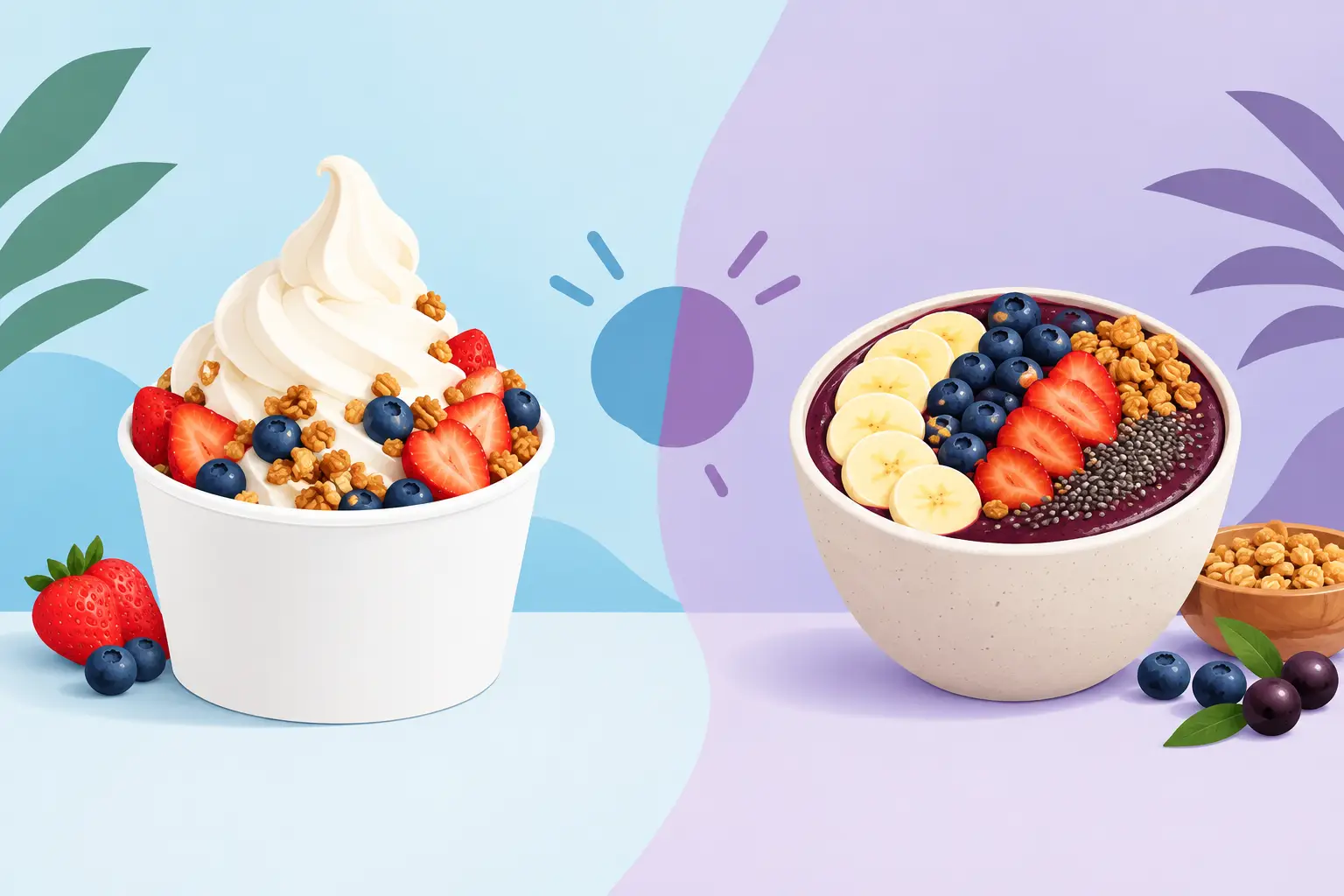
A customer walks into a dessert venue at 3:30 pm with two things on their mind: they want a treat, and they want it to feel worth sharing. That is where frozen yoghurt versus acai becomes more than a menu debate. For an operator, it is a question of customer behaviour, speed of service, labour, ticket value and whether the concept gives people a reason to come back next week.
Both products sit comfortably in the better-for-you dessert space. Both photograph well. Both can attract younger customers, families and post-gym visitors. But they create very different occasions, operational demands and growth opportunities. The right choice depends on the brand you are building, the site you secure and how much participation you want customers to have in the experience.
Frozen yoghurt versus acai: the commercial difference
Frozen yoghurt is a format built around freedom of choice. Customers select a flavour, serve themselves and finish their cup with toppings. The process is part of the product. It creates movement in the store, colourful combinations and a naturally social experience that works for groups, families and quick afternoon catch-ups.
Acai is typically more product-led and bowl-led. A customer orders a defined base, chooses a set of additions and waits for the bowl to be made. Done well, it carries strong health credentials and can command a premium. It also has clear appeal for breakfast, lunch and post-workout occasions, particularly in warmer locations and active lifestyle precincts.
The practical distinction is simple. Frozen yoghurt invites customers to build their own moment. Acai tends to ask the venue to build it for them. Neither model is automatically better, but the difference matters when you are planning labour, throughput and the kind of store environment you want to own.
The customer occasion matters more than the trend
Acai has become familiar to Australian consumers as a fresh, fruit-forward option. It can feel virtuous, substantial and energising. For a customer looking for a breakfast replacement or a light lunch, that matters. In the right catchment, especially near beaches, gyms, offices and wellness-focused retail, it can become a dependable daytime offer.
Frozen yoghurt plays a broader role. It is a snack, a family outing, a date stop, a reward after school and an easy add-on to a shopping trip. Customers do not need to arrive with a wellness goal. They can choose fruit and granola one day, then go all-in on chocolate sauce, biscuit pieces and confectionery the next. That flexibility makes frozen yoghurt relevant across more moods and more dayparts.
For a franchisee, repeat visits are rarely won by a single health claim. They are won by a brand people remember, a product people can personalise and an experience that feels easy to return to. A customer who can make something different each time has a built-in reason not to get bored.
Where matcha changes the equation
The strongest dessert businesses do not rely on one customer occasion. A considered drinks offer can bring people in earlier, lift average transaction value and create reasons to visit beyond dessert. Matcha is particularly relevant here: it has contemporary appeal, visual impact and a ritual that feels distinct from another standard iced drink.
Pairing self-serve frozen yoghurt with ceremonial-grade matcha soft-serve or matcha drinks creates a wider platform than frozen yoghurt alone. It can appeal to the customer chasing a colourful dessert, the friend ordering a drink, and the group where everyone wants something slightly different. That is a useful commercial advantage in shopping centres, food halls and high-street locations where customers have plenty of nearby choices.
Labour and service speed: self-serve has a real advantage
The labour model deserves a direct look. Acai bowls can be fast when the menu is tightly controlled and the team is well trained. But each order still needs assembly: portioning the base, adding fruit, arranging toppings, finishing the bowl and managing customisations. During a rush, that can create a bottleneck at the counter.
Self-serve frozen yoghurt shifts part of the journey to the customer. Team members still guide guests, maintain presentation, replenish toppings, keep the venue clean and deliver friendly service. Yet customers are actively involved in creating their own cup. That can support efficient throughput, especially when several customers are building desserts at once.
This is not a shortcut for poor operations. Self-serve demands disciplined food safety, stock control, equipment care and a toppings display that always looks inviting. The difference is that a well-designed system can reduce the pressure to have a staff member constructing every single dessert from scratch.
For first-time hospitality owners, that matters. A simpler operating rhythm can make rostering, training and peak-period management more manageable without taking the energy out of the customer experience.
Revenue is about more than the headline price
Acai bowls often have a high visible price point, which can make the category look attractive from the outside. But a premium ticket does not tell the full story. Fresh fruit quality, product wastage, labour time and ingredient consistency all affect the result. Seasonality can also influence how customers perceive value, particularly when fruit prices move.
Frozen yoghurt is commonly priced by weight, so the customer effectively determines the size of their purchase. That can create a natural pathway to higher spend through toppings and larger cups. It also turns the toppings bar into a visual selling tool rather than a line item hidden on a menu board.
The key is balance. Too much choice without clear portion control can damage margins. Too little theatre can reduce the appeal that makes customers linger and share. A strong franchise system should provide product specifications, supplier relationships, training and operational standards so franchisees are not left guessing at the right mix.
A broad menu also gives an operator more levers. Seasonal specials, limited-edition toppings, new matcha formats and holiday moments can keep the offer moving without rebuilding the entire business around the next food trend.
Health positioning needs honesty
Both frozen yoghurt and acai can sit within a balanced lifestyle, but neither should be marketed as a magic health food. Acai bowls can contain added sweeteners, high-calorie toppings and large portions. Frozen yoghurt can offer a lighter-feeling alternative to some traditional desserts, but the final cup depends on what a customer chooses to add.
That is not a weakness. It is an opportunity to speak plainly. Customers are increasingly alert to exaggerated wellness language, but they still want options that feel fresh, enjoyable and suited to their preferences. Offer fruit, nuts, granola and lighter toppings alongside the fun stuff. Let people make the call.
The brands that earn trust do not lecture customers about dessert. They make quality clear, give people choice and deliver a product that tastes good enough to become a habit.
Which format suits your site?
An acai-led business may suit a tightly targeted daytime precinct with a strong health and fitness audience. It can work especially well where breakfast and lunch traffic is proven, customers value convenience and the local market understands the product.
Frozen yoghurt has the potential to work across a wider range of sites, including shopping centres, entertainment precincts, food courts, high streets and family-focused retail areas. Its visual energy can pull customers in from the footpath or across a mall. The self-serve format also gives a compact kiosk a reason to feel like a destination, not just another counter-service dessert offer.
Site selection still comes first. Good foot traffic is not enough if the traffic is wrong for the product, the rent does not stack up or the visibility is poor. This is where franchise support can remove a major layer of risk. A proven brand can help assess the catchment, format, lease opportunity, fit-out and local competition before you commit significant capital.
The stronger play is often broader than one product
Choosing frozen yoghurt does not mean ignoring the appeal of acai. It means recognising what drives frequency in your proposed location. Acai can be a valuable menu component or seasonal feature. Frozen yoghurt can provide the interactive core. Matcha can create another reason to visit. Together, those occasions can produce a more resilient customer proposition than relying on one bowl trend alone.
That is the thinking behind YOVIE: a bright, shareable frozen yoghurt and matcha concept designed for customers who want choice, quality and a little joy in the middle of their day. For franchisees, the appeal is not just the product. It is the chance to operate a brand with systems, support and a menu people can make their own.
Before choosing your lane, stand in the location you want to own. Watch who passes by, when they arrive, what they are carrying and where they go next. The best dessert concept is the one that fits that real customer rhythm, then gives them a reason to return with friends.